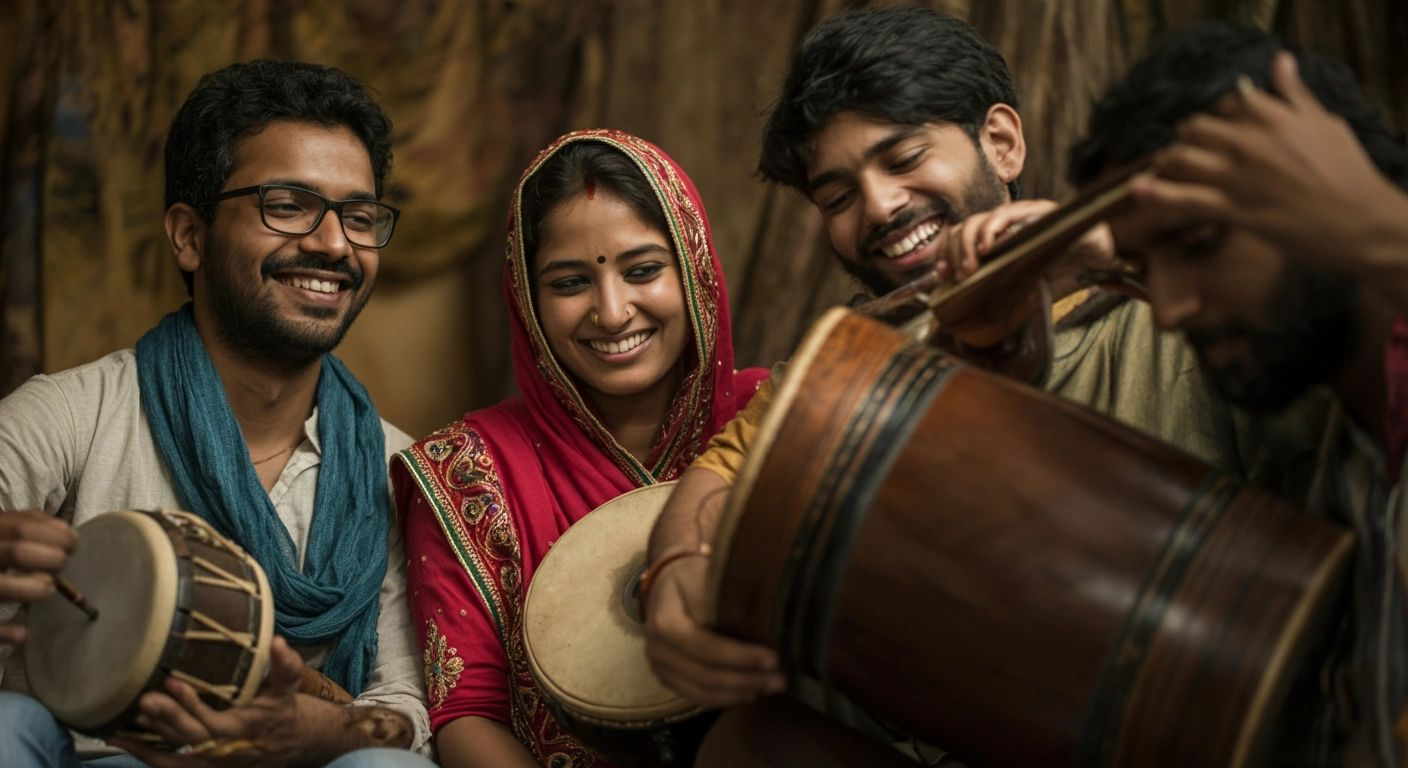
Nature . Arts . Humanity
In a world that feels increasingly fast and fragmented, ideas like unity and harmony are often spoken about, but rarely experienced.
At Anthardhaari Arts Foundation, we are guided by a simple belief:
unity cannot be instructed it must be felt.
This is why our work consistently returns to nature and arts — not as activities or entertainment, but as metaphorical mediums that help humanity reconnect with itself.
Nature quietly teaches coexistence.
Nothing in nature performs; everything participates.Through its rhythms, cycles, and interdependence, nature becomes a living mirror reminding us of balance, patience, and belonging.
Arts, in the same way, are humanity’s most natural language.Music and creative expression allow people to connect beyond words, roles, or expectations. When art is approached without pressure to perform, it opens spaces for listening, curiosity, and genuine connection.
At Anthardhaari, we design projects and tools that use these metaphors to create shared experiences — spaces where individuals rediscover inner balance, and collective harmony emerges naturally.
We believe outer harmony begins within.Choosing nature and arts is not the fastest path.But it is an honest one.
It allows us to prioritise depth over display, process over performance, and connection over outcomes.
Our work is a quiet commitment to create spaces where humanity can slow down, listen, and remember what it has always known:
Harmony is not something we create.
It is something we return to.
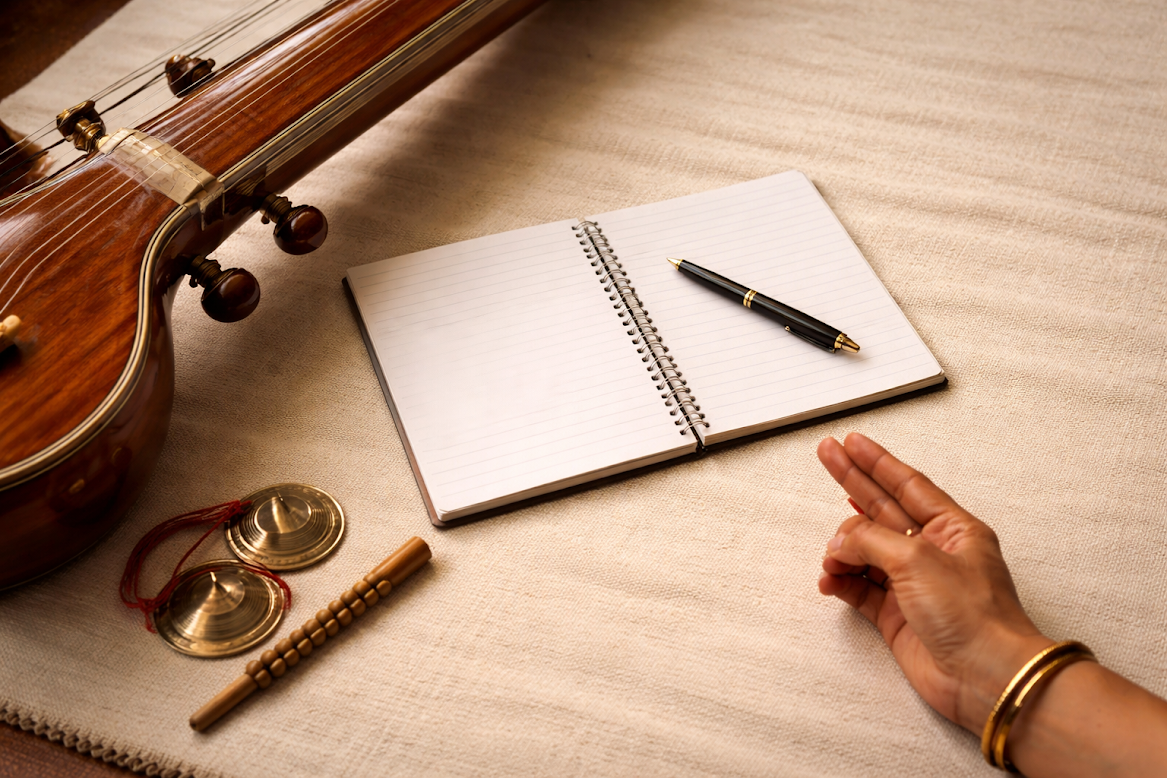
In today’s world, many of us attend concerts, dance shows, or theatre performances as a way to relax, have fun, or simply pass time. And that’s completely valid. Art is meant to be enjoyed. But there is something important we often forget. A performance is not just entertainment. It is someone’s hard work, discipline, emotion, and story coming alive on stage. Behind Every Performance Is a Journey. What we see on stage for one or two hours is the result of years of practice.A musician has spent countless mornings training their voice or instrument. A dancer has repeated the same movement hundreds of times to perfect it. An actor has lived with their character long before stepping onto the stage. So when they perform, they are not just “doing a show.” They are sharing a part of themselves.
Why Silence Is Respect
One of the simplest ways we can respect an artist is by being present and being quiet. Talking loudly, using phones, or creating distractions may feel small, but it breaks the connection between the artist and the audience.Silence is not just about rules.
It is about allowing the art to reach you—and others around you. You Are Not Alone in the Audience. When you attend a performance, you are part of a shared space. There are others who may have come with deep interest, curiosity, or emotional connection to the art. When we disturb the space, we are not just affecting the artist we are affecting fellow audience members too.
In the End, It’s About Respect
Respect for:
The artist
The art form
The fellow audience
The space that brings all of this together
There’s a difference between celebrating a performance and disturbing it.Be the audience that adds to the experience, not takes away from it.